Diseases We Treat at Rohati Ayurved – Holistic Ayurvedic Care for Chronic Conditions
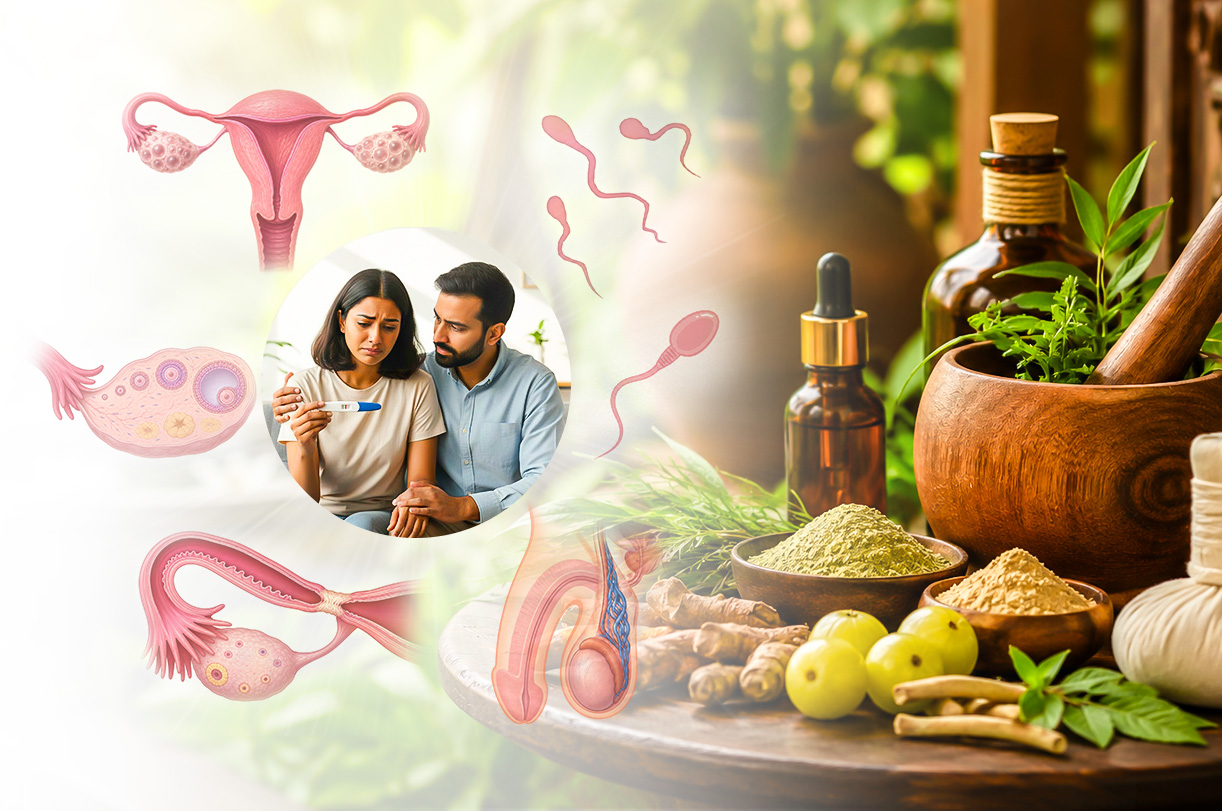
Understanding Health & Disease in Ayurveda
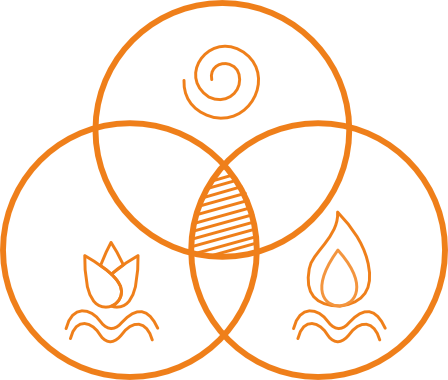
Health is Balance, Disease is Imbalance
In Ayurveda, health is seen as a state of balance between Vata, Pitta, and Kapha. When this balance is disturbed, the body begins to express symptoms, which may later develop into disease if not addressed at the right time.
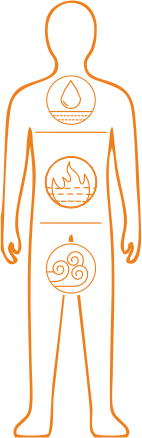
Role of Vata, Pitta, and Kapha
Each individual has a unique body constitution. Imbalance in these doshas can affect different systems of the body—reproductive, digestive, metabolic, or skin—leading to various health conditions.

Importance of Digestion (Agni)
A healthy digestive system plays a central role in maintaining overall health. When digestion (Agni) is weak, nutrients are not properly processed, which affects tissue nourishment and organ function.

Toxin Accumulation (Ama) and Disease Formation
Improper digestion and lifestyle habits can lead to toxin accumulation (Ama), which blocks body channels and contributes to the development of chronic conditions
Why Diseases Develop – Ayurvedic Perspective (Shatkriyakala)
Disease is a Gradual Process, Not a Sudden Event
In Ayurveda, disease develops step by step through a structured process known as Shatkriyakala (six stages of disease formation).
This process begins with repeated exposure to causative factors (Hetu / Nidana), which gradually disturb internal balance.
Initiating Factors – Hetu Sevana (Cause of Disease) Pre Shatkritakal
Disease Begins with Imbalance in Doshas (Shatkriyakal)
Meaning (Patient-Friendly):
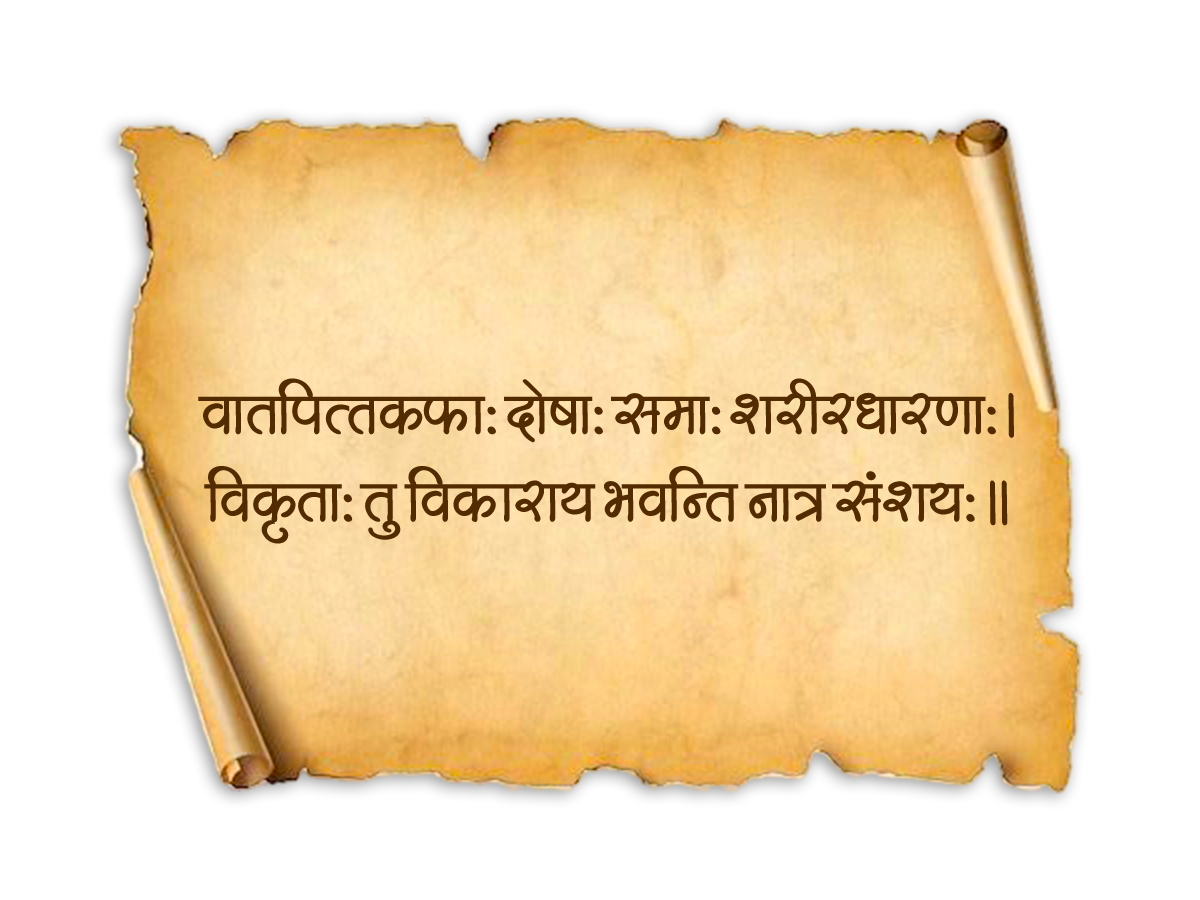
When Vata, Pitta, and Kapha are in balance, they support and maintain health. When they become imbalanced, they lead to disease.
Explanation:
Every function in the body—movement, metabolism, structure—is governed by these three doshas.
Vata imbalance → affects movement, nerves, reproductive flow
Pitta imbalance → affects hormones, metabolism, heat
Kapha imbalance → affects structure, growth, accumulation
Disease begins when this internal balance is disturbed.
Meaning (Patient-Friendly):
Avoiding the cause of disease is the first and most important step in treatment.
Explanation:
Incorrect food habits, irregular routine, stress, and unhealthy lifestyle gradually disturb internal balance.
Common contributors:
- Irregular eating habits
- Poor digestion
- Excess stress
- Lack of proper sleep
- Sedentary lifestyle
“वातपित्तकफाः दोषाः समाः शरीरधारणाः ।
विकृताः तु विकाराय भवन्ति नात्र संशयः ॥”
Explanation:
In this stage, doshas begin to accumulate in their natural sites.
Along with this:
Weak Digestion (Agni) as the Root Cause
Agni (digestion) starts weakening (Agni Dushti)
“अग्निमूलं हि शरीरम्”
Meaning:
The body is fundamentally dependent on digestive fire (Agni).
Explanation:
When digestion is strong:
- Nutrients are properly absorbed
- Tissues are nourished
When digestion is weak:
- Improper metabolism
- Formation of toxins
- Disturbed tissue function
Formation of Ama (Toxins)
Improper digestion leads to early formation of Ama (toxins)
Concept from Ayurveda
Ama = improperly digested metabolic waste
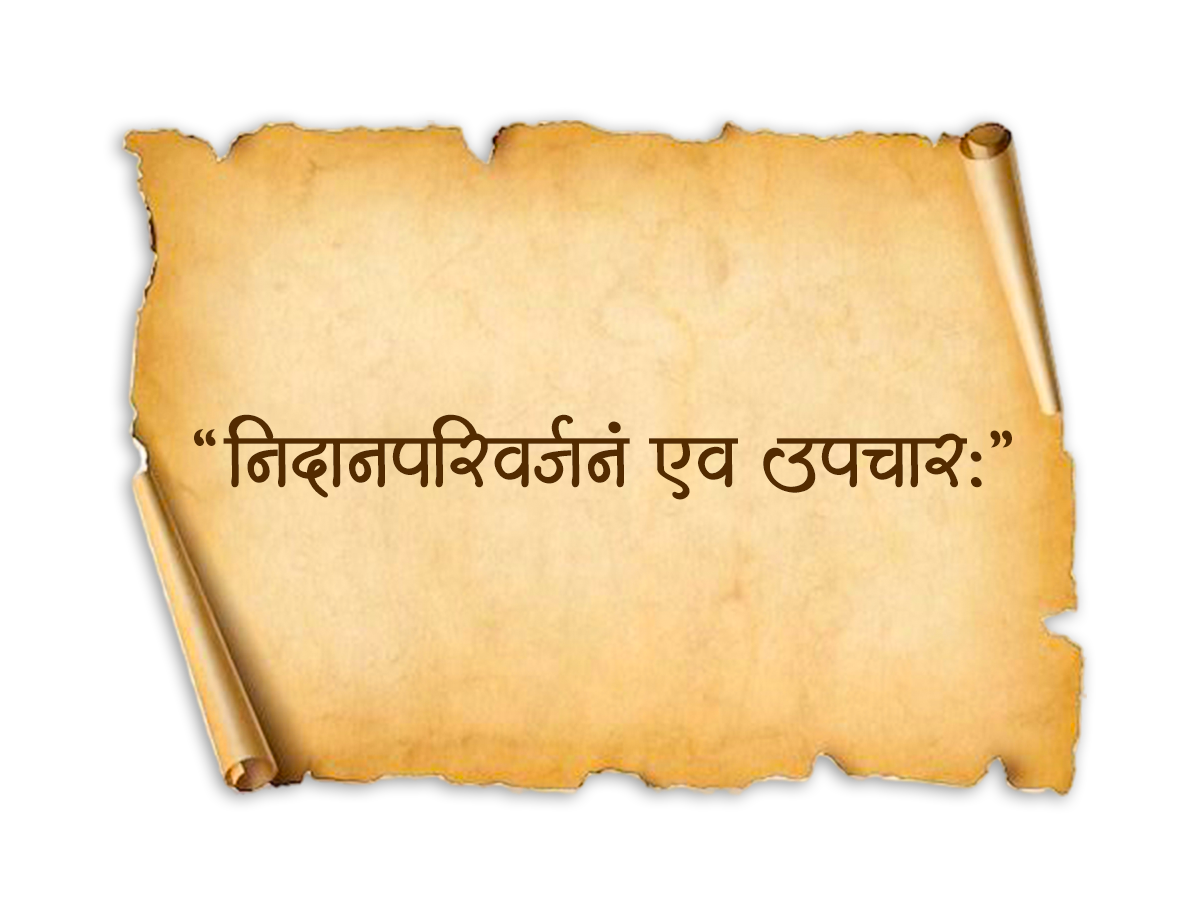
“निदानपरिवर्जनं एव उपचारः”
When Agni is weak, food is not properly processed, leading to Ama formation.
Ama:
Blocks body channels (Srotas)
Interferes with normal function
Triggers inflammation and imbalance
👉 Over time, Ama combines with doshas → leads to disease.
👉 Many chronic diseases begin at the level of digestion.
What happens internally:
- Mild dosha imbalance
- Subtle metabolic disturbance
- Early toxin formation
Symptoms (often ignored):
- Mild indigestion
- Slight fatigue
This is the earliest stage where intervention is most effective

Explanation:
Accumulated doshas become aggravated.
Agni disturbance increases
Ama formation may continue
Symptoms:
- Acidity
- Bloating
- Irritability
- Hormonal fluctuations

Explanation:
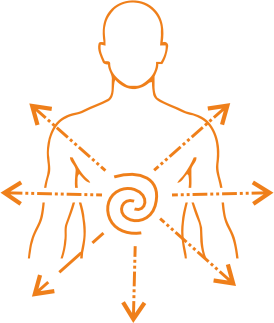
Aggravated doshas spread throughout the body.
Ama and doshas circulate in the system
Multiple systems may be affected
System-wide imbalance begins.
Explanation:
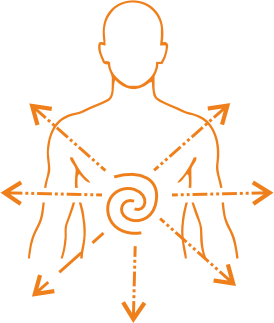
Doshas localise in a weak organ or tissue (Dhatu / Srotas).
Interaction of:
Dosha + Ama + weak tissue
Leads to disease formation.
Examples:
- Ovaries → PCOD
- Tubes → Blockage
- Skin → Acne
Explanation:
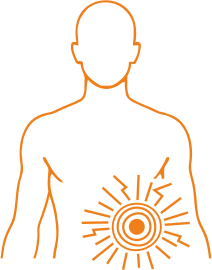
Disease becomes clearly expressed.
Symptoms are well-defined
Diagnosis becomes possible
Examples:
- Diagnosed infertility
- Chronic digestive disorder
Explanation:
Disease progresses into advanced or complicated forms.
Chronicity increases
Multiple systems may get involved
Treatment becomes more complex.
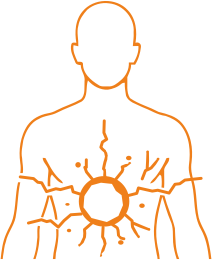
Key Ayurvedic Insight
Disease does not begin at the stage of diagnosis—it begins much earlier at the level of lifestyle, digestion (Agni), and early imbalance.
Application in Fertility & Chronic Disorders
Hormonal disturbance begins
Sanchaya
Rasa
Cycle irregularity
Systemic imbalance
Prasara
Ovarian dysfunction (PCOD)
Sthanasamshraya
Diagnosed infertility
Vyakti
The same process applies to conditions like: PCOD, Infertility, Obesity, Skin disorders, Digestive diseases.
One Body, Many Symptoms – A Deeper Understanding
Different Diseases, Common Root Causes
Many different conditions may arise from similar internal imbalances.
For example:
Digestive imbalance → can lead to skin disorders, hormonal issues, infertility
Lifestyle imbalance → can lead to obesity, thyroid issues, reproductive problems
This is why Ayurveda focuses on root cause, not just symptoms In Ayurveda, the body is not treated in isolated parts.
Reproductive health, digestion, metabolism, and mental health are interconnected.
A disturbance in one system can affect multiple others.
How Lifestyle & Digestion Influence Health
Daily habits such as sleep patterns, food choices, stress levels, and physical activity directly influence how the body functions and responds to disease.
Why Symptoms Alone Don’t Define the Disease
In Ayurveda, treatment is not based only on symptoms. A deeper understanding of the body, its tendencies, and internal imbalances is essential for meaningful and long-term improvement.
“In Ayurveda, disease is not seen as a sudden event, but as a gradual imbalance that develops over time. Understanding this process is the first step toward meaningful healing.”
Ayurvedic Understanding of Fertility (Shukra & Artava)
Importance of Healthy Reproductive Tissue (Shukra Dhatu)
“शुक्रं हि सर्वधातूनां सारं”
Meaning:
Shukra Dhatu (reproductive tissue) is considered the +essence of all body tissues.
Explanation:
In Ayurveda, Shukra Dhatu is not just semen—it represents the final and most refined tissue responsible for reproduction.
Proper nourishment of all dhatus → leads to healthy Shukra
Weak tissue formation → leads to poor fertility
This is why overall health directly affects fertility.
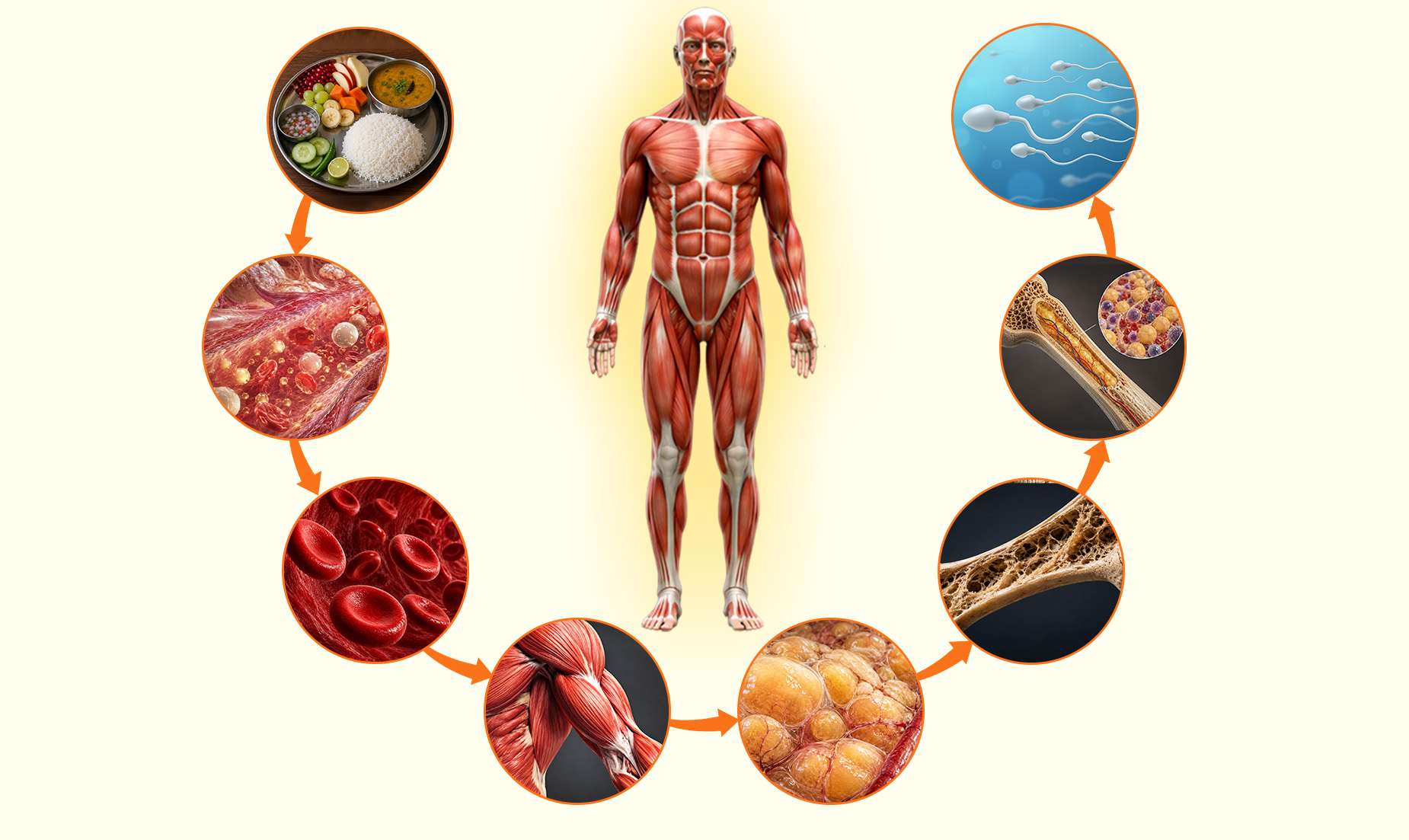
Formation of Reproductive Tissue
Fertility depends on:
- Proper digestion
- Proper tissue nourishment
- Balanced metabolism
If any stage is disturbed → Shukra formation is affected.
Role of Artava in Female Fertility
“आर्तवं नाम स्त्रीणां बीजम्”
Meaning:
Artava (ovum/menstrual factor) is the reproductive seed in women.
Explanation:
Artava represents:
- Ovulation
- Menstrual health
- Hormonal balance
Healthy Artava is essential for:
- Conception
- Regular cycles
- Uterine health
Balance of Doshas in Fertility
Ayurvedic Principle

Vata
movement (ovulation, sperm transport)

Pitta
metabolism (hormonal activity)

Kapha
structure (uterus, endometrium, tissue stability)
Especially:
✔ Vata plays a major role in reproductive function
✔ Imbalance in Vata → major cause of infertility
When Fertility Gets Affected

Explanation:
According to Ayurveda, fertility issues arise when:
- Shukra / Artava is weak or improperly formed
- Doshas are imbalanced
- Agni (digestion) is disturbed
- Ama (toxins) obstruct reproductive channels
This leads to conditions like:
- PCOD
- Low AMH
- Tube blockage
- Poor sperm quality
“In Ayurveda, fertility is not treated as a single organ issue—it is the result of overall tissue health, digestion, hormonal balance, and dosha equilibrium.”
Common Health Conditions We Address
At Rohati Ayurved, we work with a wide range of health conditions by focusing on root cause understanding and individualised care.
Fertility & Reproductive Health

Female Infertility
PCOD / PCOS

Low AMH

Fallopian Tube Blockage
Endometriosis

Irregular Periods

Recurrent Miscarriage
Hormonal & Metabolic Disorders
Thyroid Disorders

Obesity / Weight Gain

Hormonal Imbalance
Digestive & Gut Health Disorders
.png)
Indigestion (Agnimandya)

Acidity

Constipation
Skin & Hair Disorders

Acne (Tarunya Pitika)

Hair Fall
Pigmentation

Skin Allergies
Lifestyle & Chronic Condition

Stress-related Disorders

Low Immunity

General Weakness
One Body, Many Symptoms – A Deeper Understanding
Different Diseases, Common Root Causes
Many different conditions may arise from similar internal imbalances. For example, digestive disturbances, hormonal issues, and skin problems may share a common root at the level of metabolism or lifestyle.
How Lifestyle & Digestion Influence Health
Daily habits such as sleep patterns, food choices, stress levels, and physical activity directly influence how the body functions and responds to disease.
Why Symptoms Alone Don’t Define the Disease
In Ayurveda, treatment is not based only on symptoms. A deeper understanding of the body, its tendencies, and internal imbalances is essential for meaningful and long-term improvement.
Not Sure Which Condition You Have?

Get a Doctor’s Evaluation
If you are experiencing symptoms but are unsure about the exact condition, a proper evaluation can help identify the underlying cause.

Understand Your Body Better
A detailed consultation helps in understanding how lifestyle, digestion, hormones, and stress are affecting your health.

Receive Personalised Guidance
Based on your condition and body type, appropriate guidance can be provided to help you move forward with clarity.
Why Patients Trust Rohati Ayurved

Doctor-Led Care
Every patient is guided under the supervision of experienced Ayurvedic doctors.
Focus on Root Cause
The approach focuses on identifying and addressing the underlying cause rather than only managing symptoms.

Personalised Attention
Each patient receives individualised care based on their condition, history, and body constitution.

Structured & Ethical Approach
Treatment is planned in a structured manner with clarity, transparency, and realistic expectations.
Our Approach to Care
At Rohati Ayurved, care begins with understanding the individual—not just the condition.
Doctor-led evaluation of each case Individualised understanding based on body constitution and history Focus on long-term health improvement rather than temporary relief .
👉 For a detailed explanation of how treatment is planned and executed, please visit our Treatment Methodology page.
Medical Disclaimer
This information is for educational purposes only and should not be considered medical advice. Treatment outcomes vary from patient to patient. Please consult a qualified Ayurvedic doctor for personalised diagnosis and treatment.